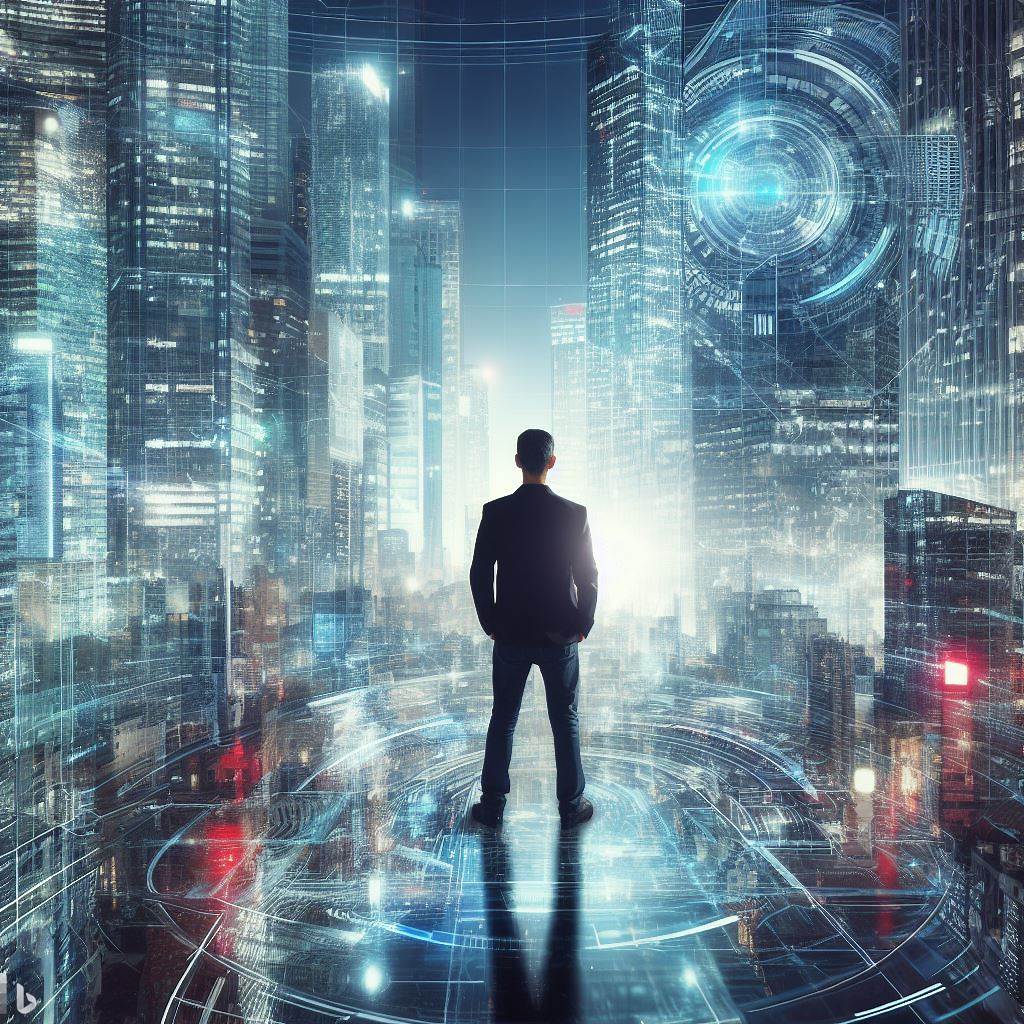
I spend a lot of time using screens—a LOT. Most mornings I spend at least thirty minutes to an hour writing, typing up notes related to a podcast episode, or reading a book or article on my iPad. My job requires me to edit documents, write and reply to emails, send and respond to instant messages, and do research and fact checking. Then I go home and use my phone and iPad a bit more in the evening. In all, I probably spend around 8–10 hours per day looking at a screen. I enjoy my time writing and reading from screens, but I sometimes wonder, “Is this healthy?”
For many of us, our work and our interaction with the world has fundamentally shifted in the last several decades. Before, we might have worked on the family farm or in construction or manufacturing, but now many of us spend most of our day sitting in an office chair looking at a screen. When we are home, much of our leisure time is now spent communicating using screens or consuming content on screens, when before we would have spent our spare time outside, reading books, or doing projects with our hands. The time before digital devices was not perfect, but I think we would agree that our lives have changed, and not all for the better.
So much of what we do, both work and pleasure, is now done using digital devices. What will be the effects of this? Will we, like the doomsayers believe, blindly follow our devices into the ditch, or will we manage to claw ourselves back to higher ground? Humanity has encountered many technological developments over the centuries, and it seems we have managed fairly well so far. But at what cost?
Hundreds of years before the birth of Christ, the Greek philosopher Socrates spoke strongly about the negative effects of writing on our minds.
“For this invention will produce forgetfulness in the minds of those who learn to use it, because they will not practice their memory. Their trust in writing, produced by external characters which are no part of themselves, will discourage the use of their own memory within them.”
I read this quote and quail at the prospect of surviving modern life with only what I can capture in my mind. I think I still prefer having books and writing at the cost of a worse memory, but Socrates was right; we have lost something. Just like we will never go back to a time when there was no writing, we will never go back to a time before digital devices—they are here to stay.
Modern medicine and increased food supplies have dramatically extended lifespans and reduced infant mortality, but now we can’t keep from eating ourselves to death, and the number of drug overdoses has exploded in the past two decades. Modernity has given us convenience that steals our time, consumption that starves our souls, and information that obscures wisdom. Something is not right in our world.
The first line of Charles’s Dickens’ Tale of Two Cities is often regarded as one of the best opening lines in literature. It was written to describe the time of the French Revolution, but it also does an admirable job describing our own time.
“It was the best of times, it was the worst of times, it was the age of wisdom, it was the age of foolishness, it was the epoch of belief, it was the epoch of incredulity, it was the season of Light, it was the season of Darkness, it was the spring of hope, it was the winter of despair, we had everything before us, we had nothing before us, we were all going direct to Heaven, we were all going direct the other way…”
Each generation faces difficulties. The Greatest Generation faced the Great Depression and World War II. The Silent Generation and Baby Boomers faced the Cold War and the changes in society during the 60s and 70s. Instead of deprivation and conflict, we are now struggling with lives that are too easy. We live in a world of abundance and comfort, but this often doesn’t translate into rich lives full of meaning. The very things that make our lives comfortable allow us to give in to our base appetites.
“Behold, this was the iniquity of thy sister Sodom, pride, fulness of bread, and abundance of idleness was in her and in her daughters, neither did she strengthen the hand of the poor and needy.” (Ezekiel 16:49)
Must we retreat to an ascetic life of isolation, or can we somehow learn to live and thrive as followers of Christ; to be in the world but not of the world? Is it possible to draw near to God in a digital world that is hostile to intentional thought and reflection?
 Invisible Things
Leave a comment