Every culture has its taboos. Muslims can’t drink alcohol; Jews can’t eat pork; Mormons can’t drink coffee, tea, or anything with caffeine. Some taboos are explicit, perhaps written in a holy document, while others are unwritten or unspoken. They become an unseen but powerful undercurrent in a culture that is rarely perceived or questioned. What taboos do Mennonites have? Maybe we don’t have any?
Our conservative Anabaptist culture is largely based on our Swiss-German heritage. Hundreds of years after our ancestors left Europe for religious freedom and economic opportunities, we are still wrestling with the culture they brought with them. We don’t question it—in fact, we are often quite sure it’s the best way to live and that the Lord smiles down upon us and our quiet and orderly ways.
At my church during a recent prayer meeting, the moderator asked if anyone had any prayer requests. After some silent seconds had lingered in the air for too long, someone requested prayer for a sick relative, another piped up about their struggling neighbor. A few more requests trickled in for overseas missionaries and the US government. Notice anything in common about these prayer requests? They were all about someone else who needed God’s help.
From little on up we are told to be quiet, self-sufficient, modest, and to not draw attention to ourselves. These admonitions cement themselves into our conduct and psyche. It is hard to know what we are more terrified of, overt religious persecution or sharing with a brother that we looked twice at a lady jogging past with tight shorts. Revealing that we sometimes fail would open a small chink in the impermeable facade we have been expertly crafting for years.
Why the compulsion to appear perfect? We all know that everyone else has issues and problems, it is part of what keeps our kaffeeklatsches humming with conversation. Yet, when it comes to our own problems, we daren’t let a single word slip that indicates we might need some help from the Lord or our brothers and sisters.
And so we keep toiling away alone, with no one else to confide in or pray for us. It’s almost like we think that if we don’t share our struggles that somehow they won’t be as real. Our struggles and needs are always there, but it is only when we say them aloud that we have to truly deal with the magnitude of the issue. Saying the truth of our struggles to someone else makes it harder to avoid the truth of the sin in our heart, the state of our marriage, or our deplorable finances. The ignorance of others is bliss.
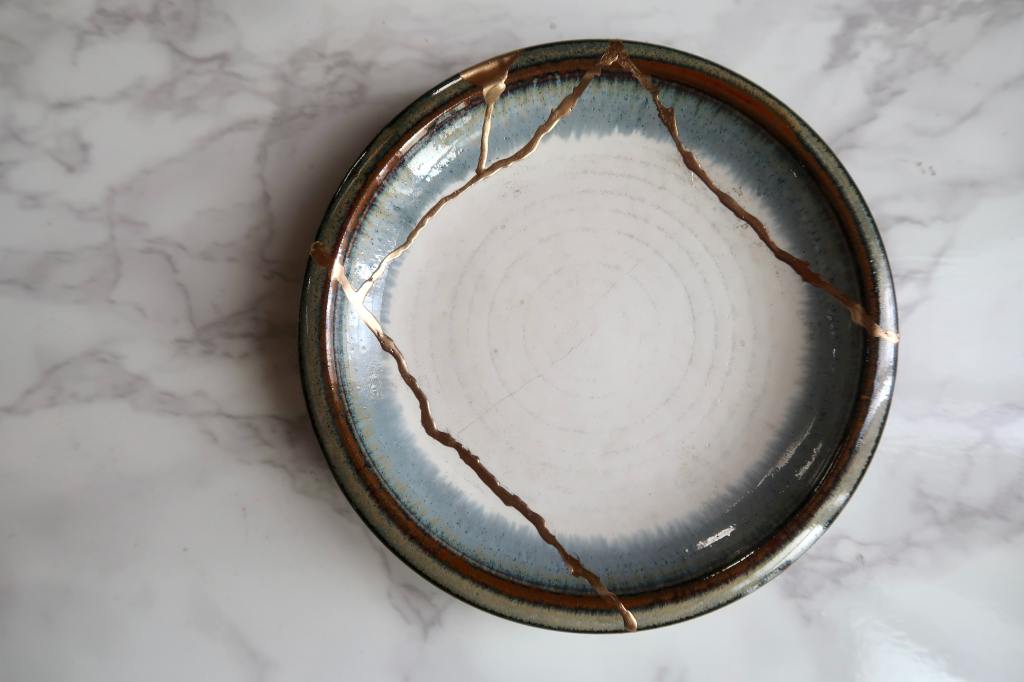
Perhaps imperfection is not something to be be avoided, but to be embraced. We are all imperfect and in need of the cleansing power of Christ’s blood—let’s not hide it. Our spouses should know we are imperfect and need help, our pastors should know we need help, the brother or sister sitting in the pew in front of us should know we need help. When we publicly acknowledge that reality to others, it will become more real to ourselves. It’s only when we bring something into the light that we can clearly see how dirty it is.
Our desire to appear perfect hampers our relationships. If our relationships always stay at the surface level where we never let others see our grimy interiors, our relationships will be just as shallow. It is only when we share our struggles, failures, and needs that we can develop the truly deep relationships that God calls us to have in the church. Connection can only happen when we experience real life together. Real life isn’t perfect—stop acting like it is.
Christ told his disciples that the leaven of the Pharisees was hypocrisy. Acknowledging our imperfections to others makes it harder for us to become like the Pharisee who thanked God that he wasn’t like a sinful tax collector. Instead, we become like the tax collector, asking God and others for mercy because of our sins. When we realize our need for mercy, we will extend mercy and forgiveness to others.
Our need for perfection can hinder us in other ways. We can’t invite over company until our home is scrubbed spotless. We let a friendship wither when our friend says vaccines cause cancer (or that they don’t, whichever one annoys us). We can’t start posting to our blog until we have written the perfect first article. (This is a purely hypothetical situation that has nothing at all to do with why it took nearly a year for Invisible Things to emerge from its cocoon like a phoenix from its burrow.) We talk to our friends for years about our book idea or business idea, but then it never happens because we think we have to perfect the idea before beginning.
Now that we are embracing our imperfection, does that means we should wallow in our sin or decide we are fine with our current state? Certainly not! A clearer vision of our needs can help us move from imperfection toward a more perfect life. This will be a lifelong work, facing the dragon of our failings but never giving up, never putting down our sword, driving the dragon back one step at at time.
Thanks for reading this essay. This blog has stagnated, not because of a dearth of ideas, but because I want to launch it with an article that perfectly outlined the blog’s purpose and had some amount of “wow factor.” I couldn’t get the article to work, so I never posted anything. Sometime in the last few months I decided that I had to publish something, no matter how pathetic the attempt. This essay is the result of that impulse. I’m still working on that “perfect” blog launch essay, but I still don’t know if I will ever post it.
 Invisible Things
Leave a comment